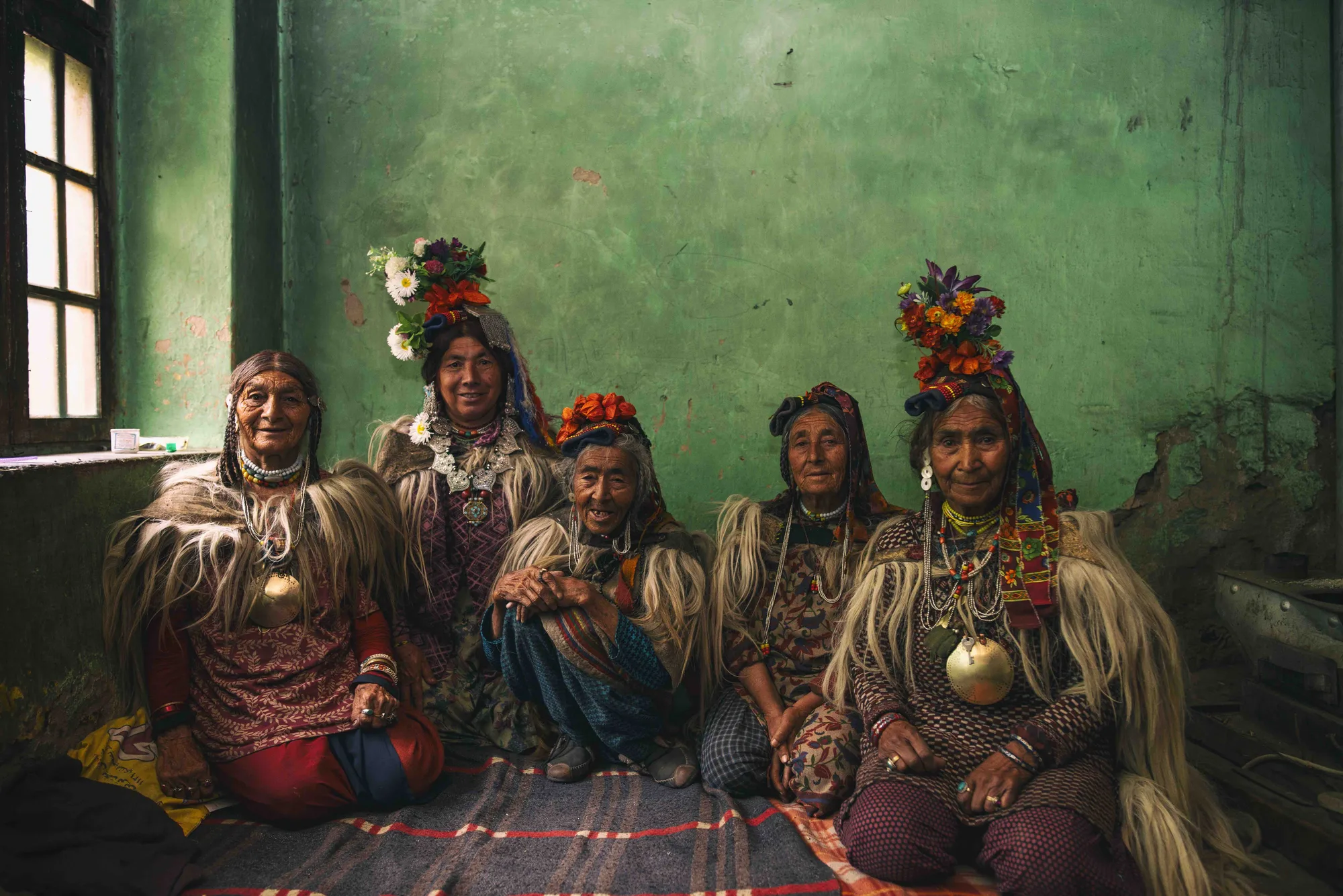
DROKPA
Ladakh Plateau, between China, India and Pakistan
The Drokpa are a tribe of about 4,000 souls living on the Ladakh Plateau, at the crossroads of China, India and Pakistan. Their cultural heritage is unique, yet endangered.
DROKPA TRIBE
Historians claim that a group living in the high altitudes of Ladak for the past 2000 years is the only authentic Indo Aryan tribe left in India. The Drokpa tribe, which means "white skin" in Ladakhi, is descended from ancient Indo Aryan ancestors. These people are distinct from the rest of the Tibeto-Burman population in Ladakh in terms of appearance, culture, language, and religious beliefs, and they have upheld the purity of their race for centuries.
Language:
Brokskat is the Drokpa's native tongue. It is the only Shina language spoken in India, and it belongs to the Shina branch of the Indo-European linguistic family. In Pakistan, five Shina languages are spoken, and one is spoken in Afghanistan.
Culture:
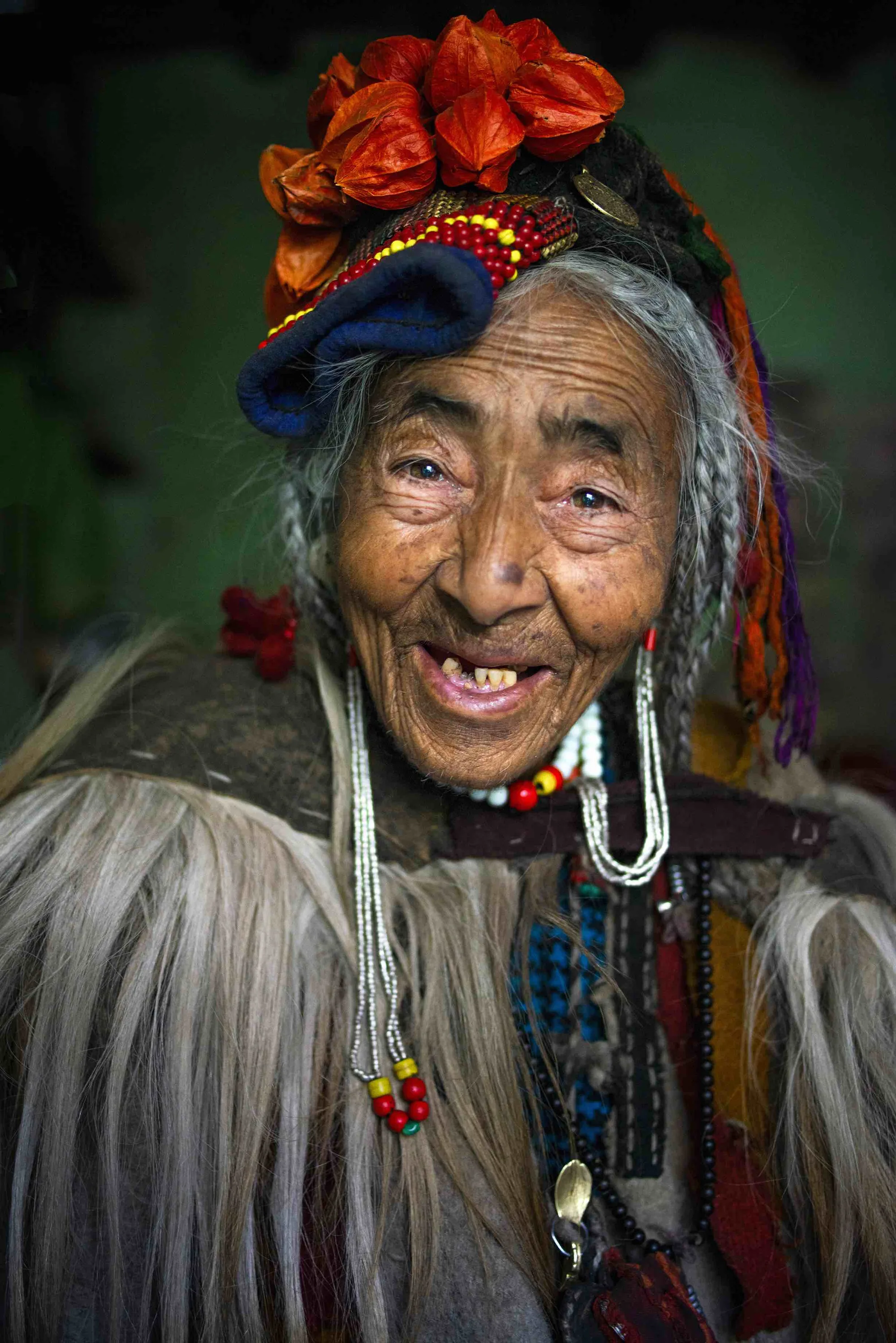
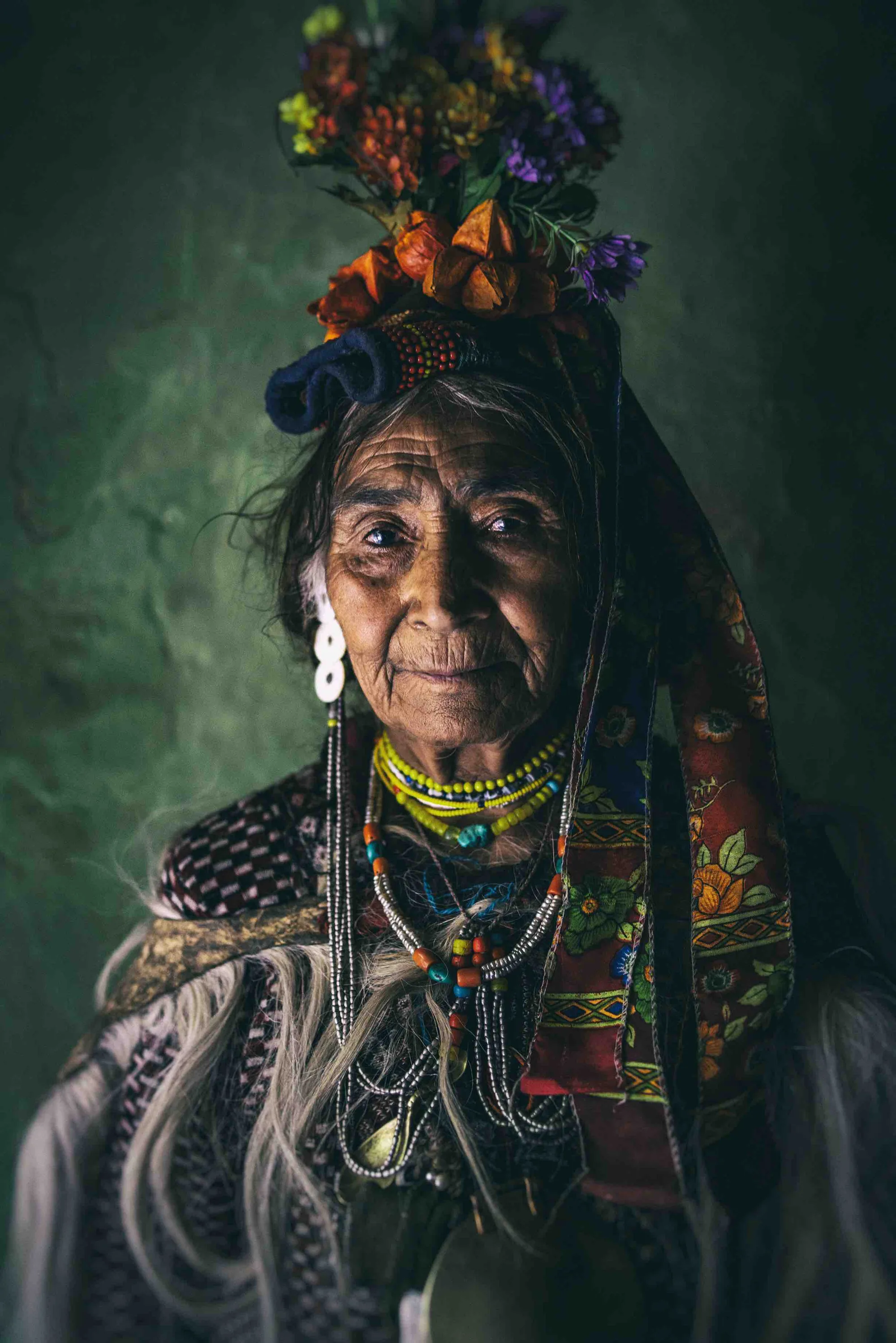
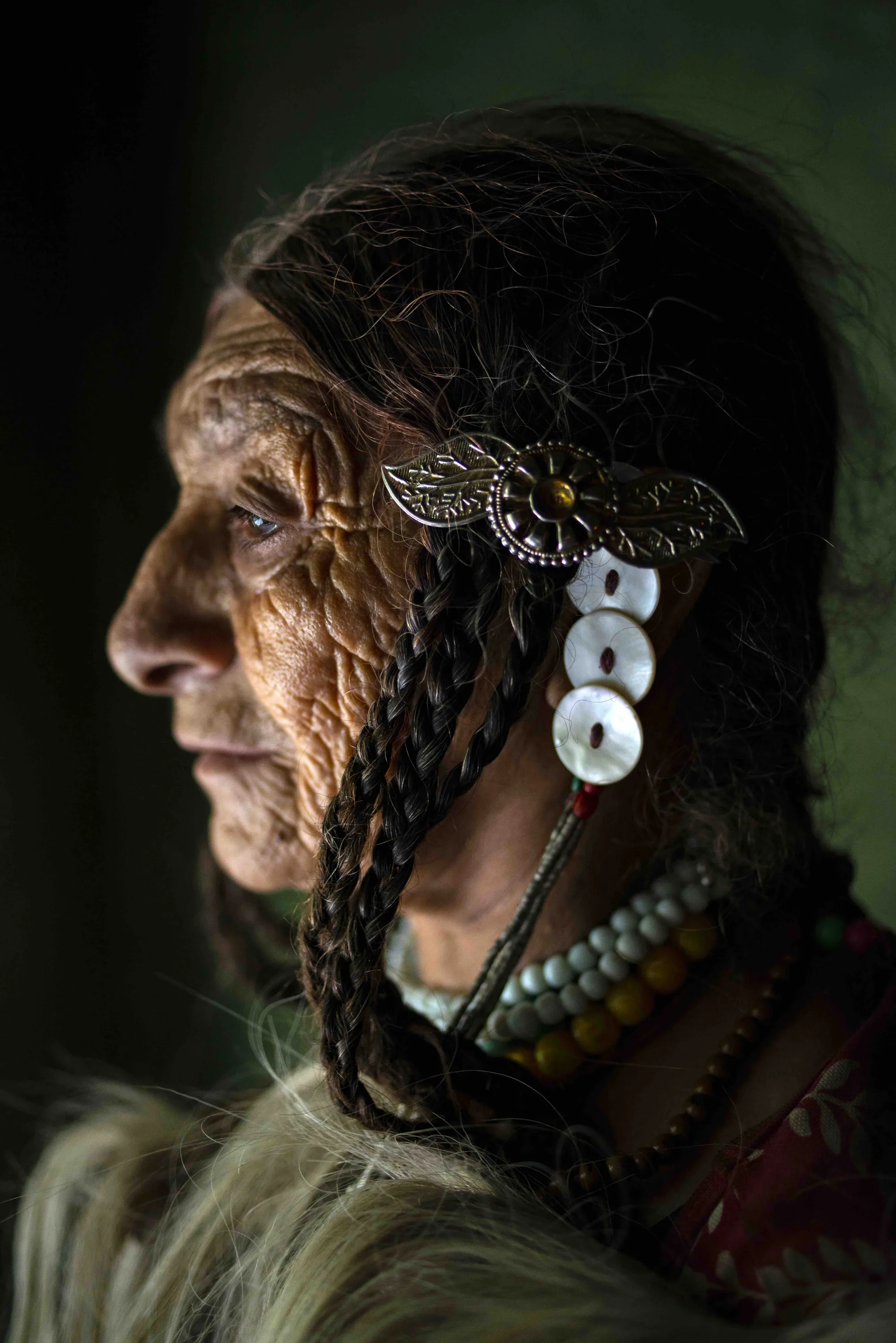
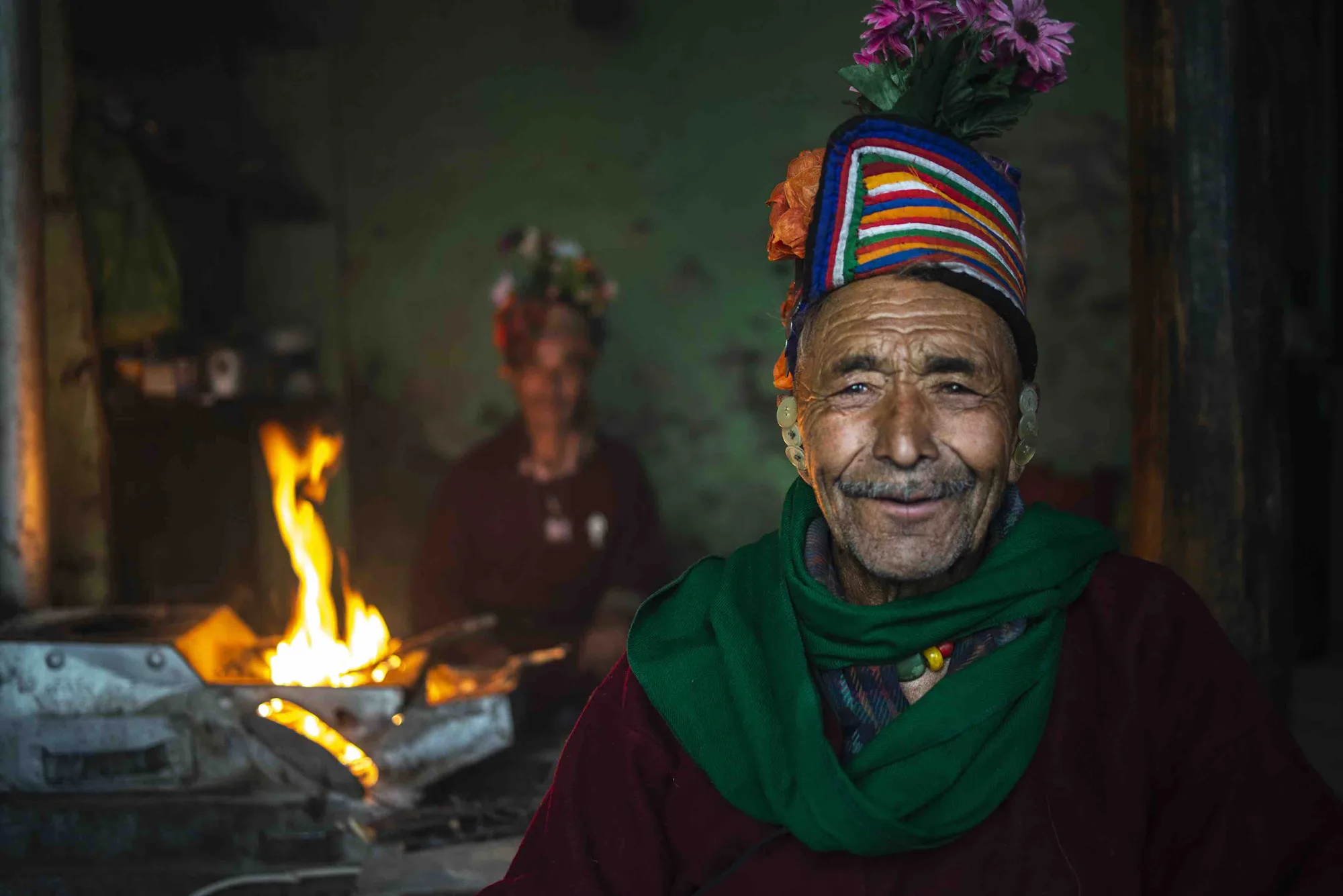
Despite living in the same region as the Ladakhi, the Drokpa are differentiated by linguistic and physical differences. The Drokpa wear headgear and a gown with roses, beads, needles, ribbons, and buttons on the former. Flowers are a favorite of both men and women. Men shave the front portion of their heads and wear their hair in a long pigtail, while women wear their hair in plaits. The men and women wear goat skin that is lined on the inside with fur.' Sattu, or roasted barley flour, is the Drokpa's main staple meal. Because of religious and superstitious practices, certain foods, such as meat, cow's milk, birds, and chickens, are strictly prohibited.
They get married to each other. They are very proud of their Aryan origins, which date back to the millennium B.C., when a branch of the Indo-European population migrated to Asia and established their own language and culture, of which the Drokpa are the last living heirs. As a consequence, it is prohibited to marry or have children with anyone from a different tribe. It's not unusual for men to marry their brothers or sisters, or to have several wives.
Their possessions are passed on from generation to generation. Many things, including children's clothes, are passed down through the generations. Tents made of yak hide, sheepskin shoes, and goatskin capes have all survived the ages in good condition.
Every twelve years, they celebrate their birthday. Their calendar is based on the Tibetan calendar, which states that a life cycle does not change until twelve years have passed, until several difficulties have been resolved. The twelfth year is an important landmark that should be commemorated.
The culture is patriarchal. Despite the fact that women do the majority of the work, the clan's leader must be a man who is elected according to strict rules and is responsible for handling the budget, resolving disputes, and serving as a liaison with the district administration.
Menace:
On the Ladakh plateau, global warming is reducing snow cover. River flows are diminishing as a result, and the climate is drying up. The governments that share the area blame the Drokpa pastures for the degradation and use various methods to compel the tribes to settle down. In exchange for a larger scale commercialisation of their agricultural production, the Chinese government has signed contracts with some illiterate Drokpa families to settle them in makeshift, artificial villages. This region, which is one of the world's least populated, represents a lucrative financial windfall for China, India, and Pakistan, especially in terms of tourism. The abuse of the latter can have a negative impact on the tribe ancestral traditions.
Photo Library