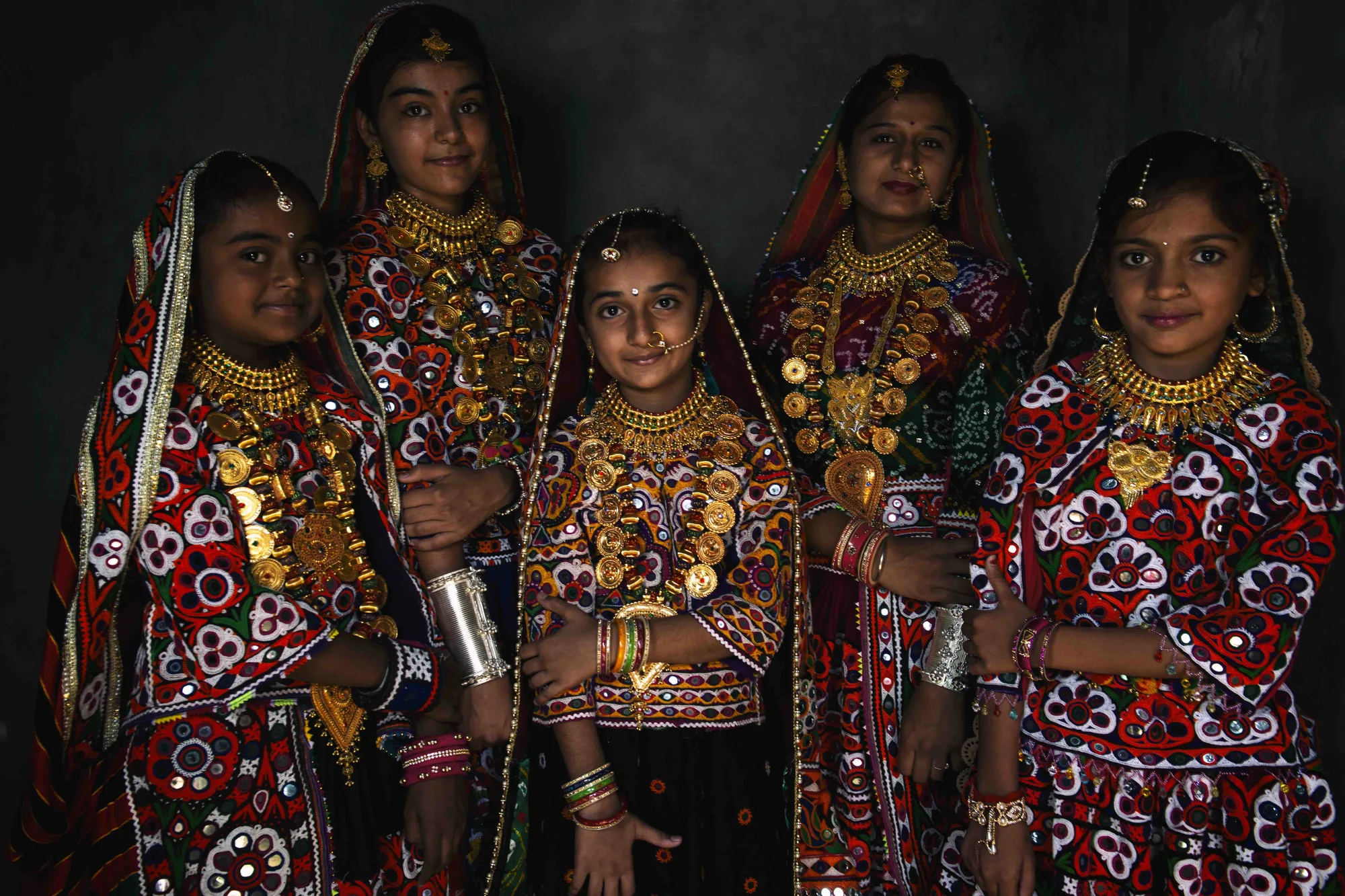
AHIR
Indo Gangetic Plain, India
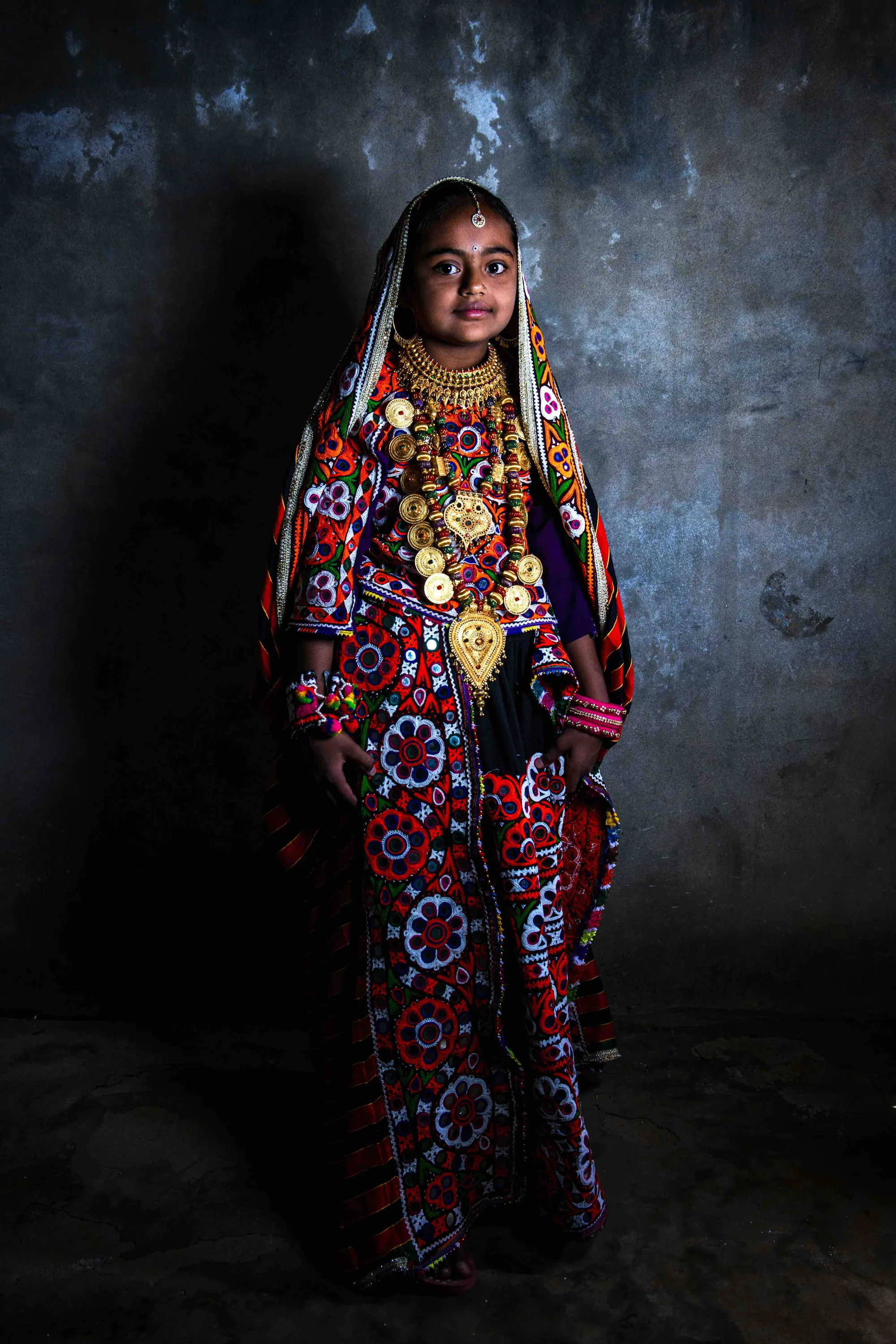
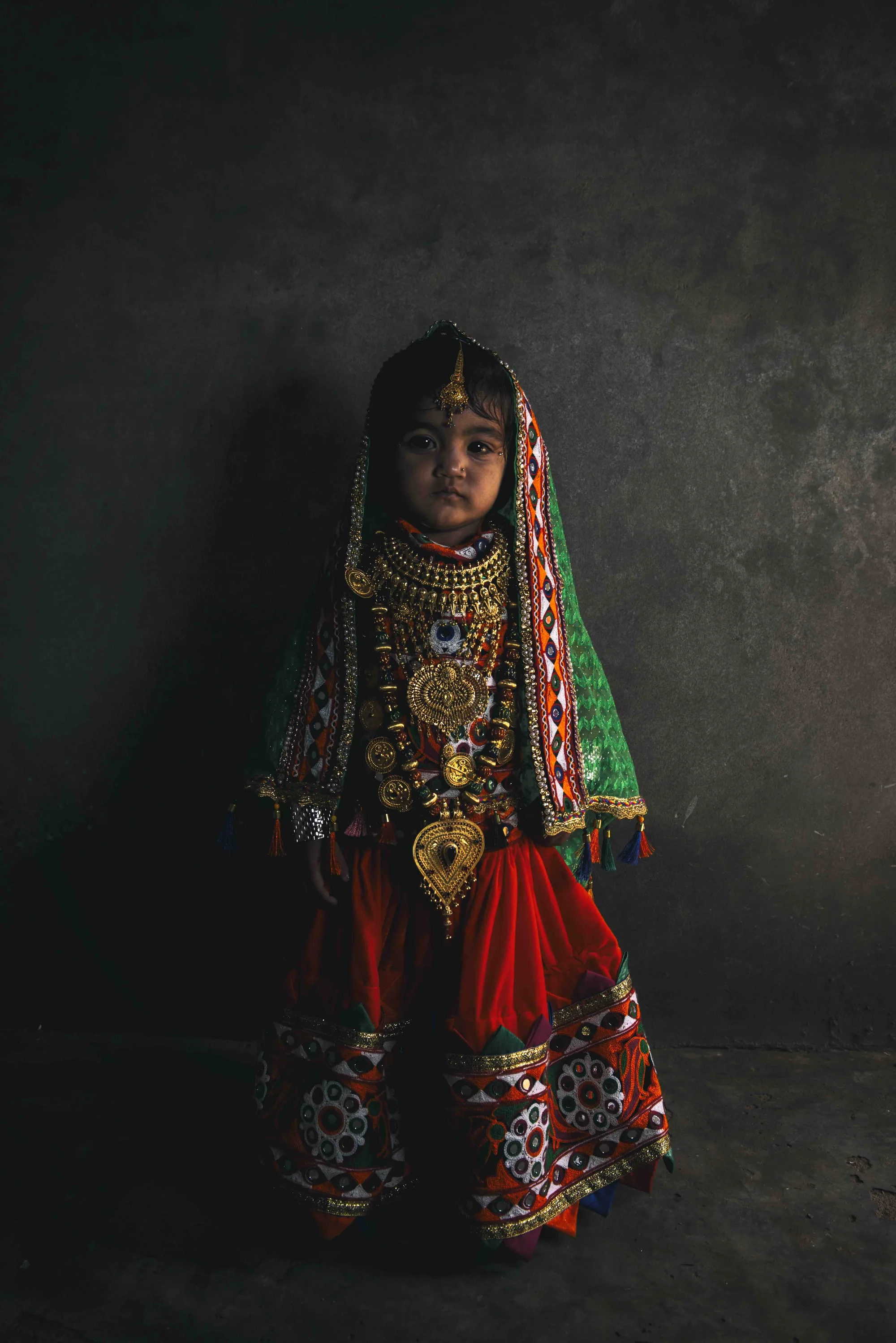
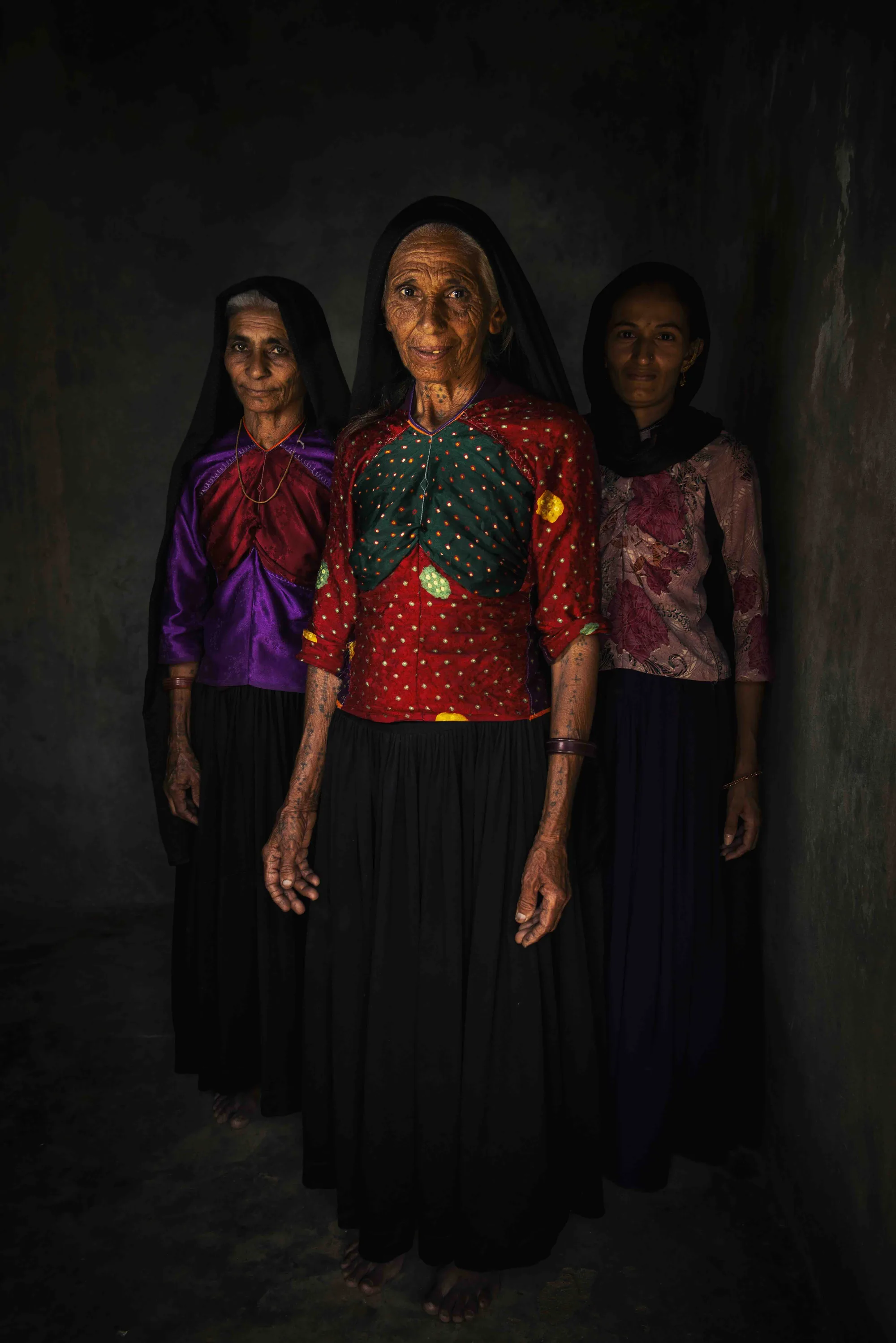
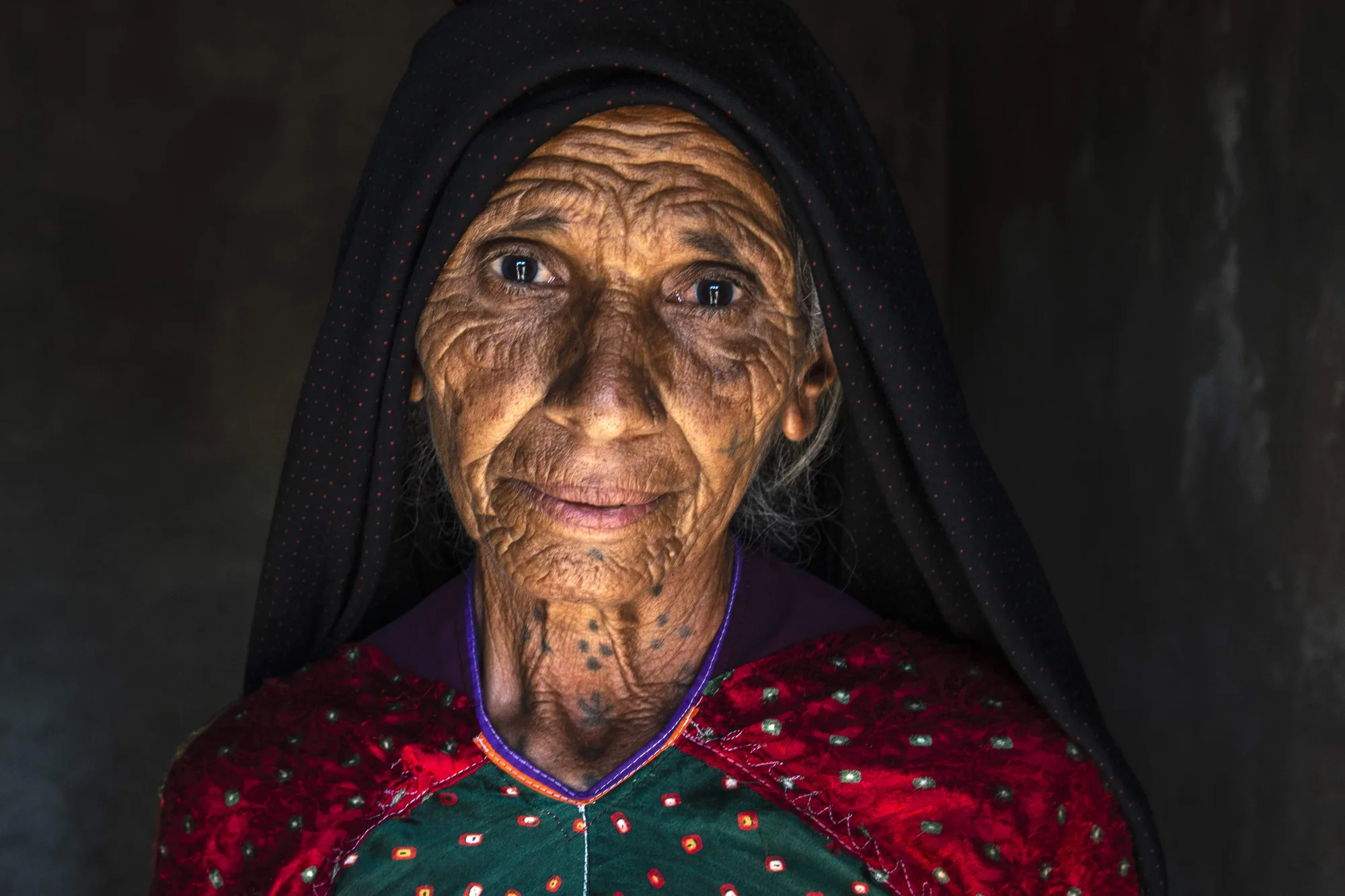
The Ahir were reportedly one of the Central Asian immigrant tribes who arrived in India during the early Christian period. For centuries, the Ahir have been a strictly occupational caste, drawn primarily from indigenous tribes. Ahirs and many forest tribes have a close relationship because cattle must graze in the forest during hot weather. Since they live in Gond villages, many Ahir in Mandla are barely considered Hindus (a forest tribe).
AHIR TRIBE
The Ahir population has nearly doubled since 1911, when they numbered 750 000 in the Central Provinces and Berar, making them the sixth largest caste in terms of numbers. Ahirs are divided into different castes, such as the Ahir Sunars, Sutars, and Lohars... The word Ahir is derived from “Abhira” which means fearless and refers a tribe mentioned in inscriptions and Hindu sacred texts many times.
Because of their connection to the holy cow, which is worshipped as a goddess, the Ahir have a special relationship with Hinduism. Diwali, which occurs around the beginning of November, is the most important festival. All celebrates the feast by lighting several small saucer-lamps and setting off fireworks.
Language
Some Abhira and Ahirs dialects are still spoken today. One is Ahirwati, which is spoken in the Rohtals and Gurgaeon districts, as well as Punjab and the Delhi region. Ahiri refers to the Malwi dialect of Rajasthani; Khandeshi, a Gujarati dialect, is often referred to as Ahirani. These linguistic relics suggest that the Ahirs were early settlers in Punjab's Delhi country, as well as Malwa and Khandesh. They speak Dhundhari and Hindi and write in Devanagari.
Culture
The caste has exogamous parts, which are low-caste in nature and have totemic or titular titles. Marriage between members of the same section as well as first cousins is forbidden. While his wife is still alive, a man can marry his wife's younger sister. The practice of trading daughters between families is legal.
Their festivals are dedicated to the Gods, who are worshipped through dance, pujas, songs, Nritya, and scriptures known as great Mantras and Sangeet. They perform folk instruments, song, and dance in order to express themselves through rhythm.
Different types of Dandiya Raas are performed by the Ahir tribe, including reverse, steps and body, forwards, and turning motions. Garbi and Garbo folk dances are associated with the well-known Navratri Festival. The ladies of this tribe perform Garbo dances, with men sometimes joining them, and the men of the Ahir tribe perform Garbi songs and some moves in a measurable amount. Garbi and Raas dance has little variety, and it is often performed on festival days such as Ekadashi and Janmashtami.
Rites and Folklore
Rawats (i.e. Ahirs) in the central Indian state of Chhattisgarh practice a rite known as sidhori during pregnancy. This entails feeding special foods to the pregnant woman so that the unborn child will not be hungry for these foods later in life. If the baby isn't born right away, a line of men and boys forms between the house and the well. After that, a pitcher is hurriedly passed along the line, filled, and returned to the building. It is thought that the pace at which the water travels to the house would be transmitted to the woman, resulting in a fast delivery. The father is not permitted to see his wife or child until the sixth day, when purification rites are performed.
Lorik's legend is one of the most well-known in Ahir mythology. The legend has many versions, but the one below is told in Mirzapur District in eastern Uttar Pradesh. Lorik is an Ahir who marries Chandani, the wife of his next-door neighbor. He then meets Mahapatiya Dusadh, the leader of the gamblers, and defeats her husband in a contest. Lorik loses everything, including Chandani, but the girl claims her jewelry was not in the game and persuades Lorik to play again. This time, Chandani uses her ankles to distract the leader of the gamblers, and Lorik reclaims everything. When Chandani informs Lorik that his opponent has humiliated her, Lorik uses his magic sword to cut off the gambler's head.
Photo Library