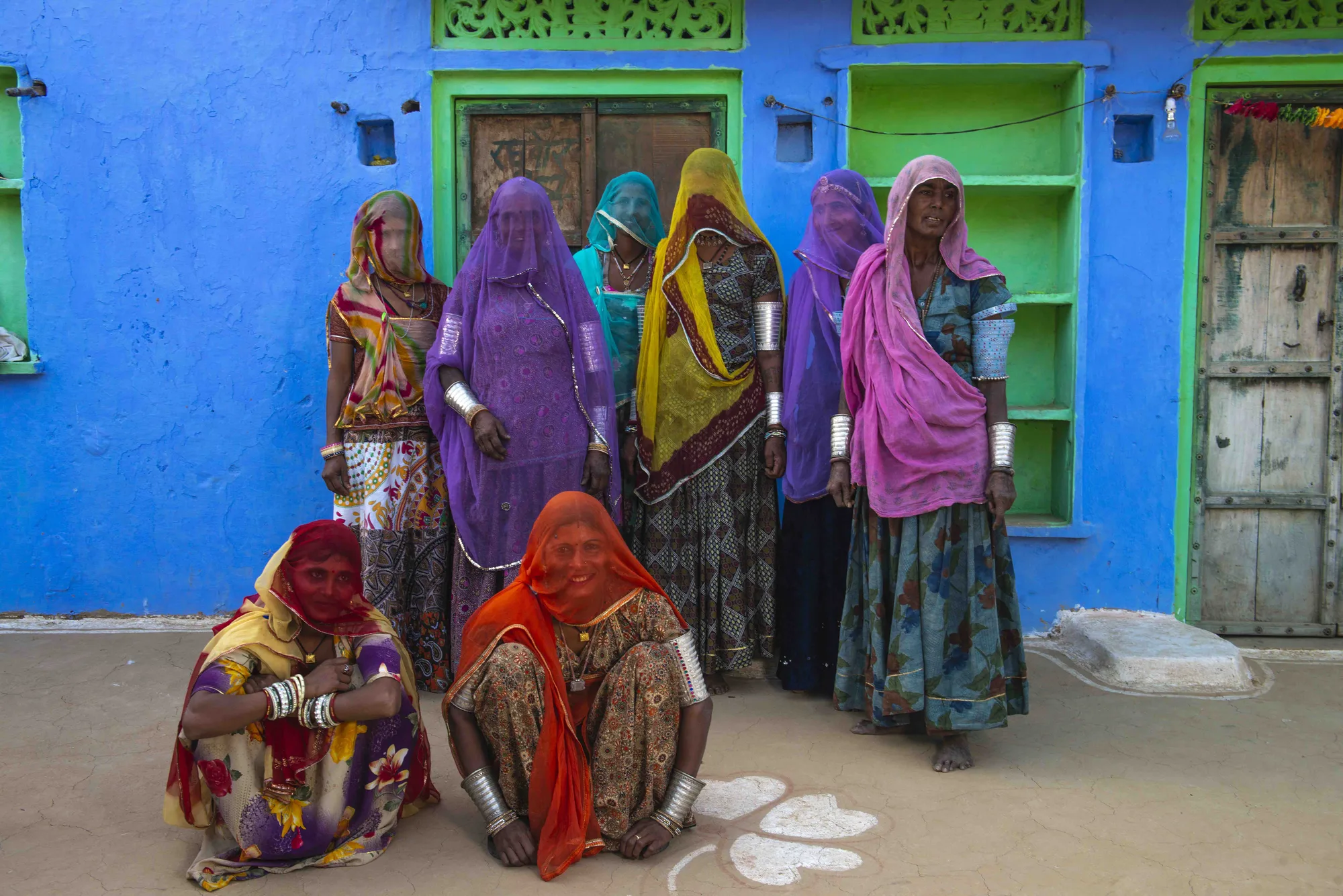
BANJARAS
Mewar region, India
Banjaras are numerous nomadic tribes found in different parts of west India, moving from place to place and living their lives according to their own set of rules. The banker tribes are thought to be descendants of European Roma gypsies who migrated 2300 years ago through the rugged mountains of Afghanistan to settle in the deserts of Rajasthan and other Indian states. The Banjara Tribe is well-known in India, as they inhabit the majority of the country's states. They're known for their brightly colored outfits with a plethora of accessories.
These tribes are said to be linked to European gypsies who migrated from India, according to anthropologists. According to other studies, the Banjara, Lamani, and Lambada tribes are actually members of the Kshatriya Gorvamshiya family. It was discovered that the Gorvamshiyas' Gor community is at the root of the Indus culture.
The Indus River civilization was the world's oldest, and it was once home to many nomadic tribes. The Banjara tribe belongs to the Indo-Aryan race and speaks a language that is similar to Sanskrit and Hindi. Owing to their nomadic existence and illiteracy, the Banjara's origins and history were not well understood or preserved.
The Banjaras usually refer to themselves as Gor and outsiders as Kor but this usage does not extend outside their own community. Gor Mati or Gormati, which means cattle grazers or Own People, is a related term. The group became known as banjara around the fourteenth century CE, but it had previously had some links to the Laman, who have a 3000-year history.
The word Banjara is derived from the Sanskrit word vana chara, meaning wanderers in jungle. There is also a saying that Banjara are descent from the two brothers who looked after Sri Krishna's cows, Mota and Mola. The ancestors of the present Marwaris, the Mathura Banjaras and Labhanas, descended from Mota.
Language
Banjara's language is known as "Gor boli," "Gor mati Boli," or "Brinjari," and it is an independent dialect. The Banjara/Roma Gypsy dialect falls under the Indo-Aryan language category. The dialect has been spoken in the Gor provinces of Afghanistan, Baluchistan, Sindh, Punjab, Gujarat, Kethewada, Harappa, and Mahenjodaro since the pre-Indus period. The Hindi and Sanskrit languages are easily understood by Banjaras because 90% of the words are similar to ‘Gor boli.' Within the family and kin groups, Gor Boli was spoken, and regional/local languages were used to communicate with others.
Culture
Banjaras were traditionally pastoralists, merchants, and goods transporters in India's inland regions, using vessels, carts, camels, oxen, donkeys, and the relatively scarce horse. The mode of transportation was determined by the terrain; for example, camels and donkeys were better suited to highlands that carts couldn't traverse, while oxen were better suited to wet lowland areas. Their ability to navigate dense forests was particularly cherished. For security, they often traveled in tandas, each led by an elected headman known variously as a muqaddam, nayak, or naik.
Banjara is not referred to as a village. A 'Tanda' is the name for it. Afghanistan and Pakistan have Banjara tandas as well. Banjaras worship Lakshmi, the Goddess of Abundance. The Banjara tribal women wear hundreds of cowries, which represent Goddess Lakshmi and are considered auspicious.
Ugadi is the most well-known festival among India's Banjara tribes. They also celebrate Holi and Dusshera, as well as several folk festivals, which they take very seriously. They worship Tirupati's Lord Venkateshwara as their family deity. They have a habit of putting money aside from their daily life to go on pilgrimages to Tirupati's Balaji Temple.
Daliya (mixed cereal), Bati (roti), Saloi (made from goat or sheep or pork blood and intestines), and Ghuggari (boiled cowpea, red gram, land gram, etc.) were typical Banjara foods, with rice being used occasionally. Except for beef, they were found to be non-vegetarian. The Banjara dogs were known for their ability to hunt wild animals.
Art and Dance
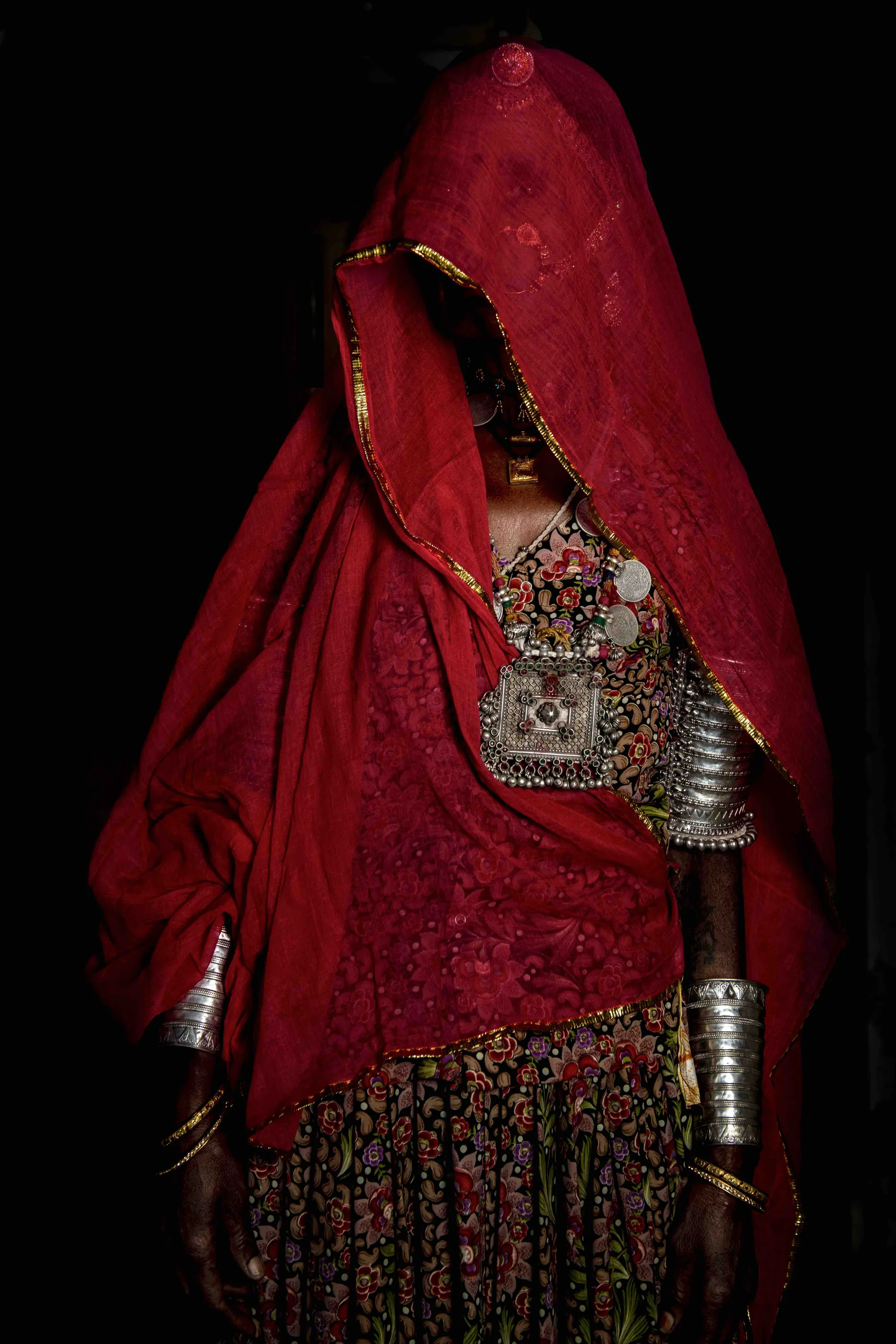
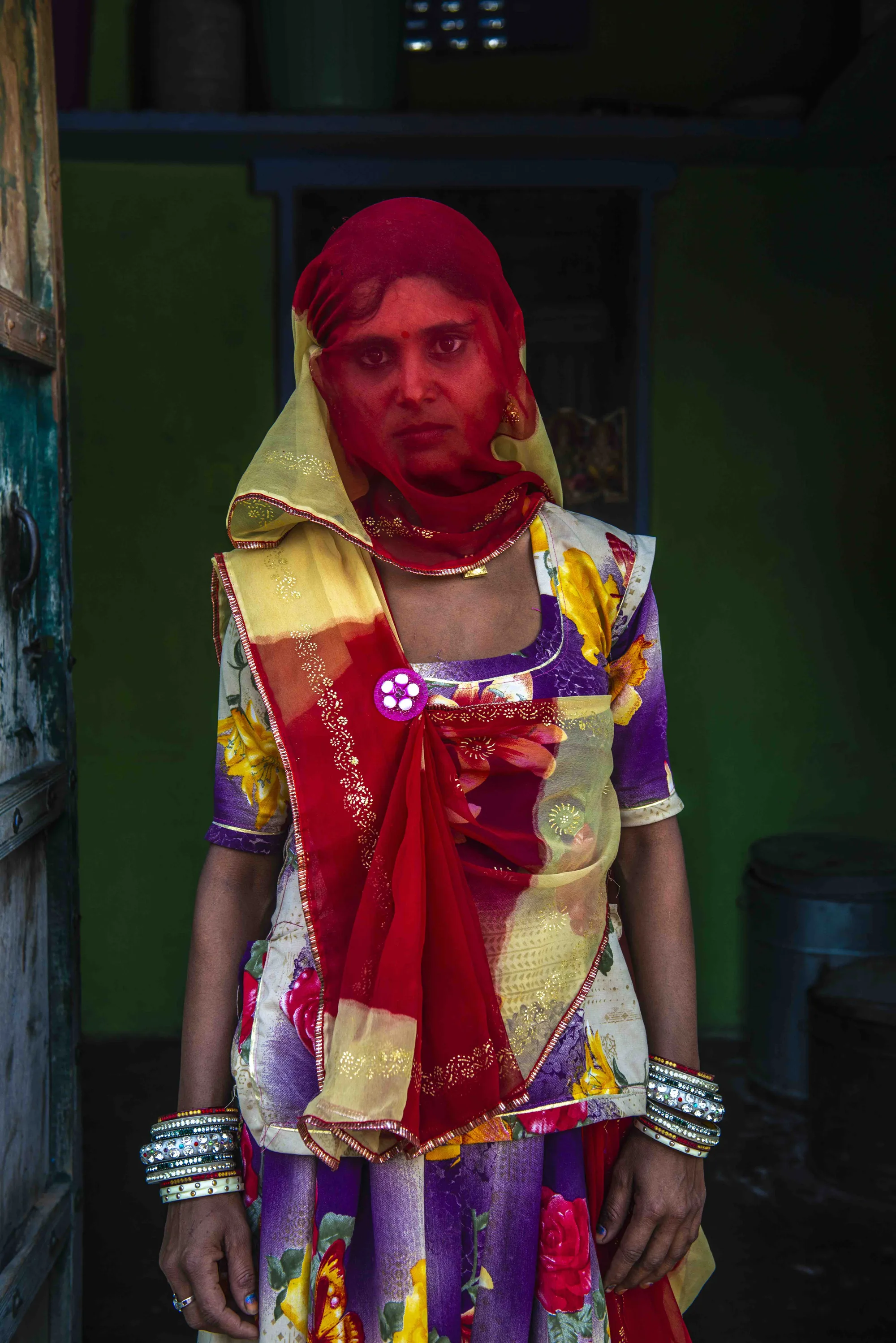
The Banjara women wore a brightly colored gown with intricate embroidery, jewelry, and mirror patchwork. Phetiya (skirt), Kanchali (blouse), Kurta (top), and Chantiya are among their outfits (the veil).
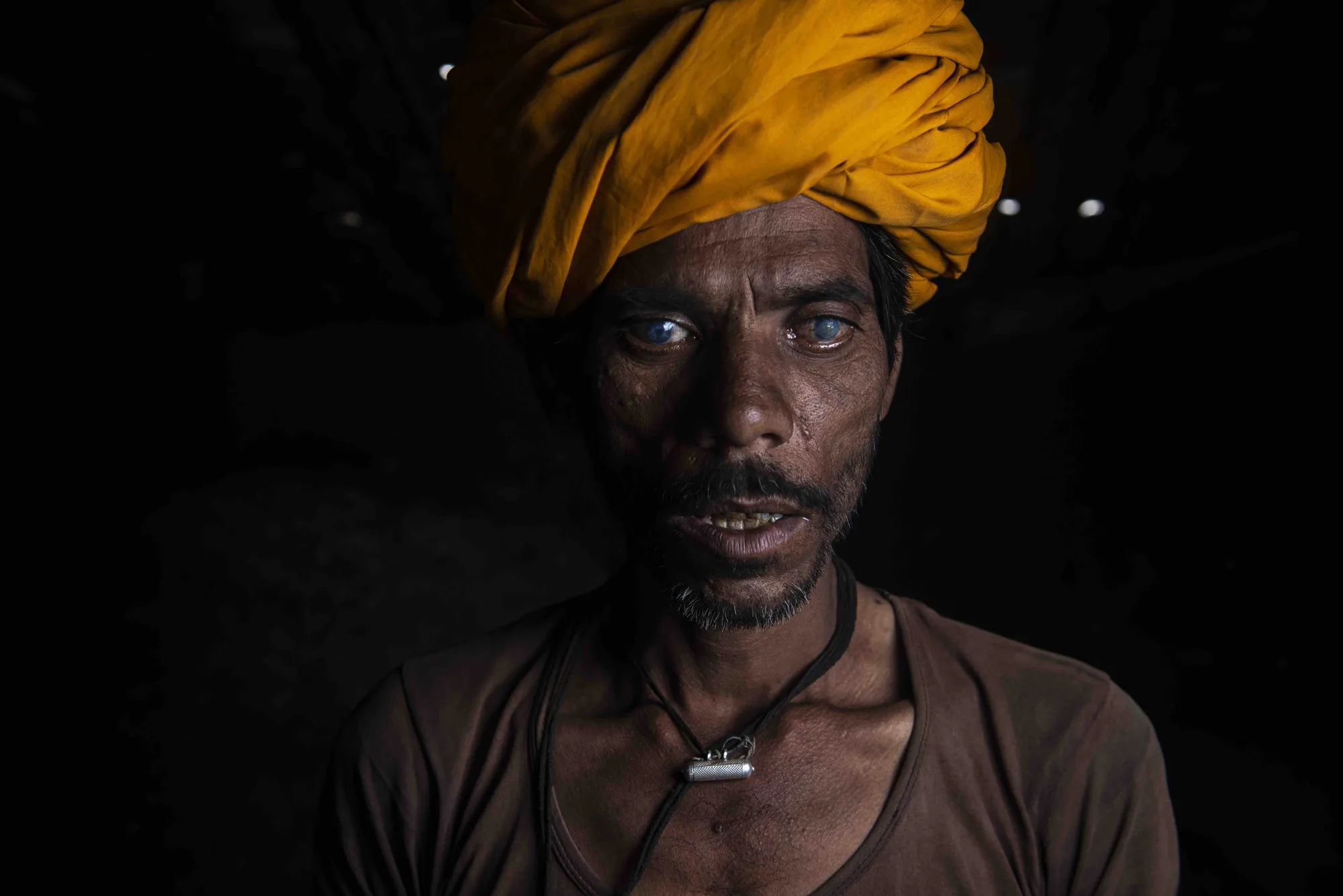
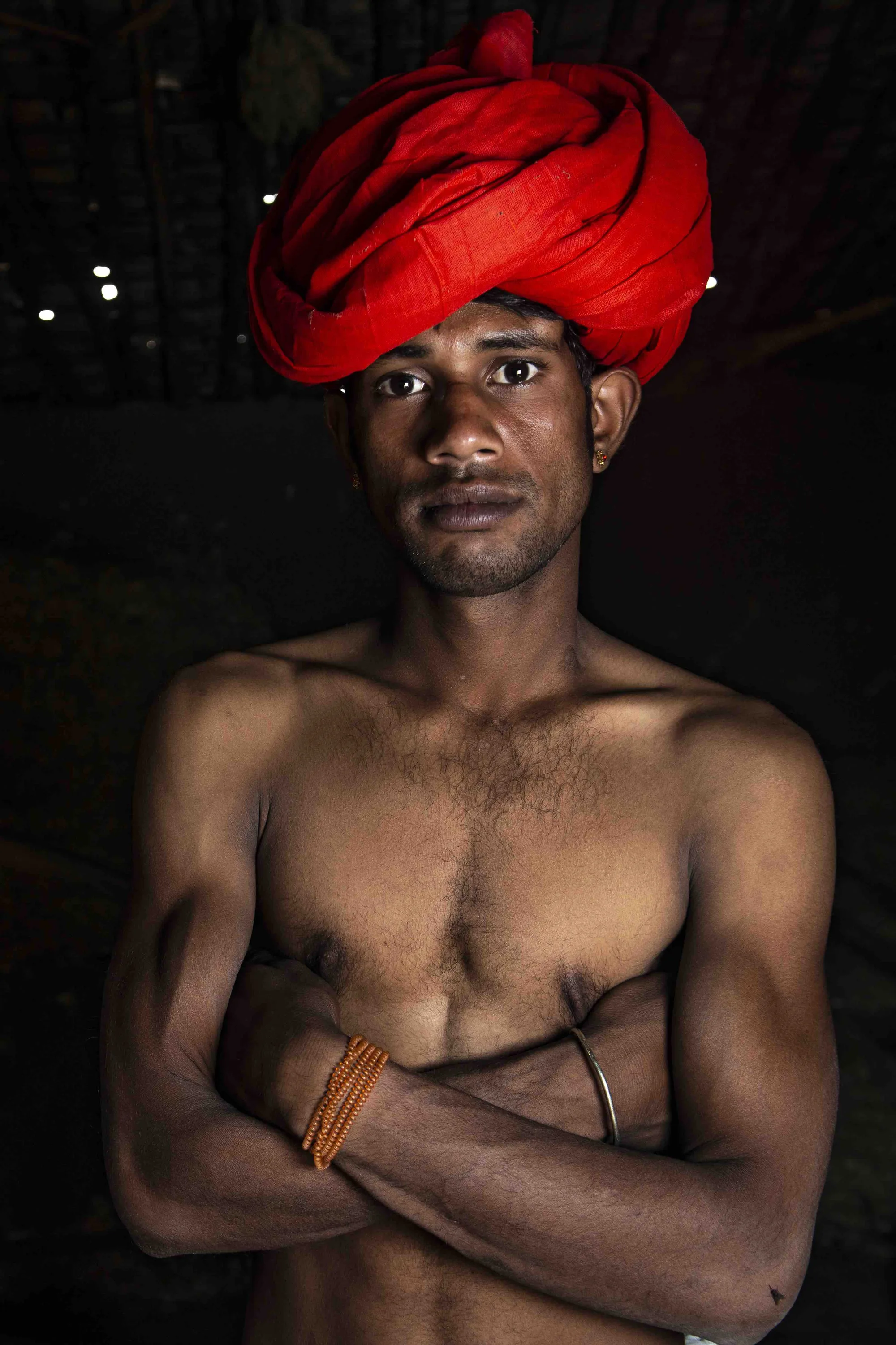
Dhoti, Kurtha, or long coat, and pagadi (turban) with several rounds are worn by Banjara men.
The best art work of the Banjara women can be seen on their costumes and dresses, which are richly embroidered. They practiced body tattooing as well as crafts such as embroidery (cloth), carpentry, and blacksmithy. Oral customs, folktales, and folklore were passed down through the generations in the community. Both men and women sang traditional songs. Their musical instruments were percussion, bronze disks, and cymbals.
Photo Library