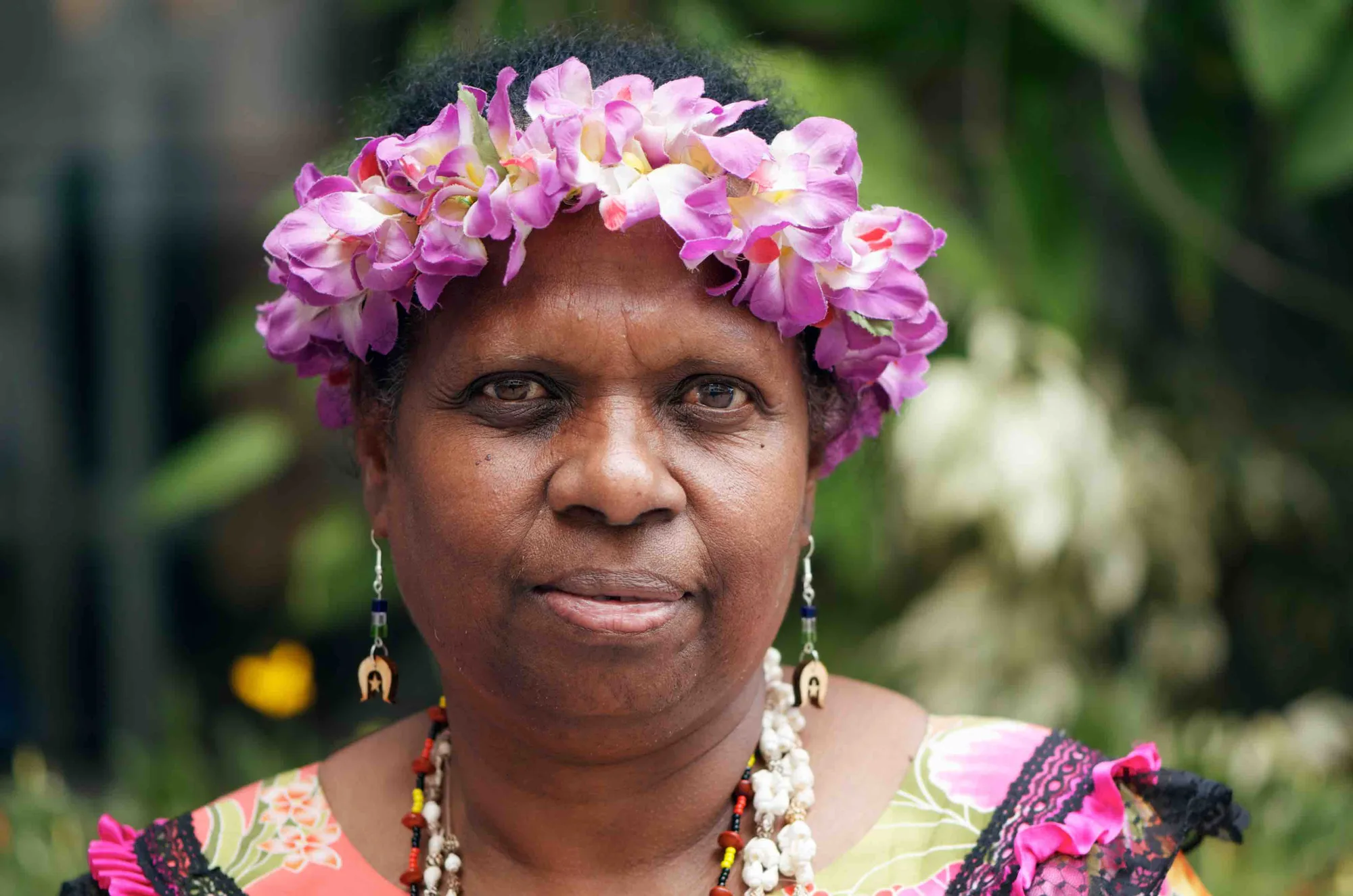
TORRES STRAIT ISLANDER
Torres Strait Islands, North of Australia
Within the broader designation of Torres Strait Islander people, there are five distinct populations, based partially on geographical and cultural divisions. As a language of trade and commerce, there are two main indigenous language groups, Kalaw Lagaw Ya and Meriam Mir, and Torres Strait Creole is also widely spoken. Papuan-Austronesian, and traditionally a seafaring nation, is the core of island culture. Especially in sculpture, printmaking and mask-making, there is a strong artistic culture.
TORRES STRAIT ISLANDER
Torres Strait Islander people are primarily of Melanesian descent, apart from mainland Aboriginal Australians and some other Australian islands, and share with the people of New Guinea some genetic and cultural characteristics.
Five ethnic groups are represented by the five-pointed star on the national flag; another source claims it originally represented the five island groups, but today (as of 2001) it reflects the five main political divisions.
Language
Evidence of archaeological, linguistic and folk history shows that Papuan-Austronesian is the center of island culture. As well as engaging in hunting and gathering, the people are agriculturalists. The historically hunted and collected Dugong, turtles, crayfish, crabs, shellfish, coral fish and wild fruits and vegetables remain a significant part of their lifestyle of subsistence. Even though they don't live on the islands, traditional foods play an important role in ceremonies and celebrations. Dugong and turtle hunting as well as fishing are seen as a way to continue to be closely connected with the sea in the Islander culture. The islands have a long history of trading and relationships with explorers.
Culture
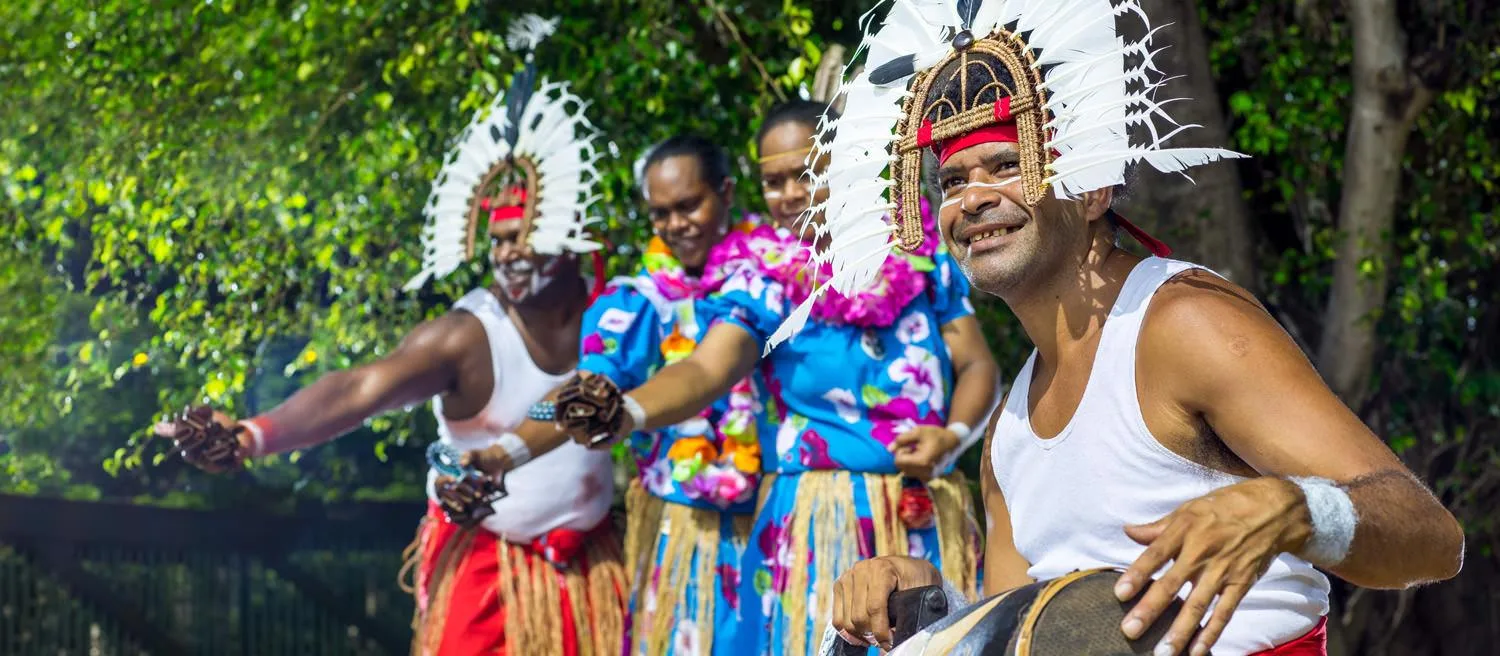
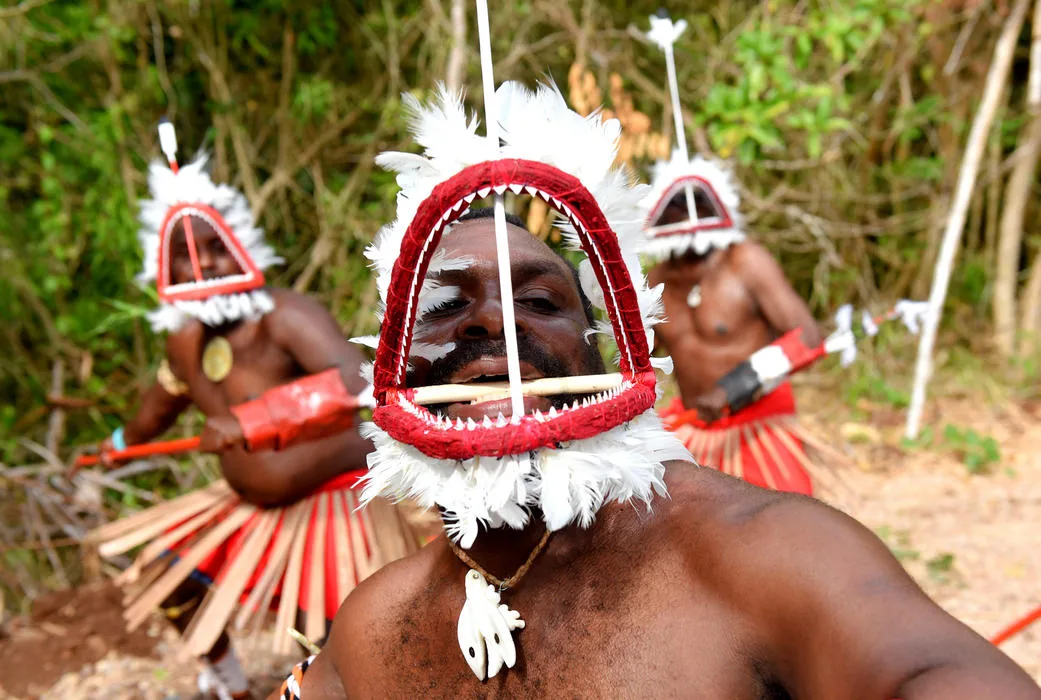
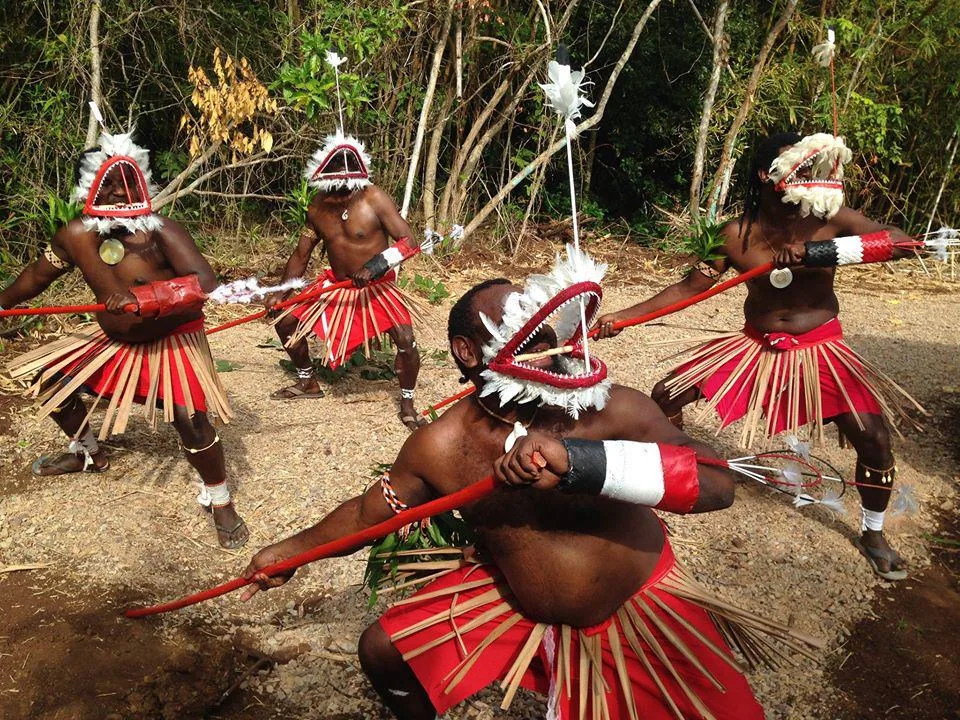
On the numerous islands where they live, the indigenous people of the Torres Strait have a distinct culture that has minor variations. Similarities with Australian Aboriginal and Papuan culture are shared through cultural traditions. They have an oral culture, traditionally, with stories conveyed and expressed through music, dance and ceremonial performance. As seafaring people, their stories and art feature strongly in the sea, sky and land.
The experience of post-colonization has seen new cultural effects, most importantly the position of Christianity, on people. After the "Coming of Light" (see Religion section), objects that were previously important to their rituals lost their significance, instead being replaced by crucifixes and other Christian symbols. In certain instances, the use of traditional religious artifacts was banned by the missionaries, and production gradually ceased. "A large amount of material was "collected" by missionaries, anthropologists and museums: all the items collected by missionary Samuel McFarlane were in London and then divided between three European museums and a variety of museums in mainland Australia.
Torres Strait Islander culture was largely confined to dance and music, weaving and making a few pieces for special festive occasions during the first half of the 20th century. In the 1960s and 1970s, the resurgence of interest in the old ways of life was influenced by scholars seeking to save what was left of traditional wisdom from living elders. Margaret Lawrie, an Australian historian employed by the Queensland State Library, spent a lot of time visiting the islands, talking to local people and documenting their stories that have inspired the Islands' visual art since then.
Photo Library